 Reviews


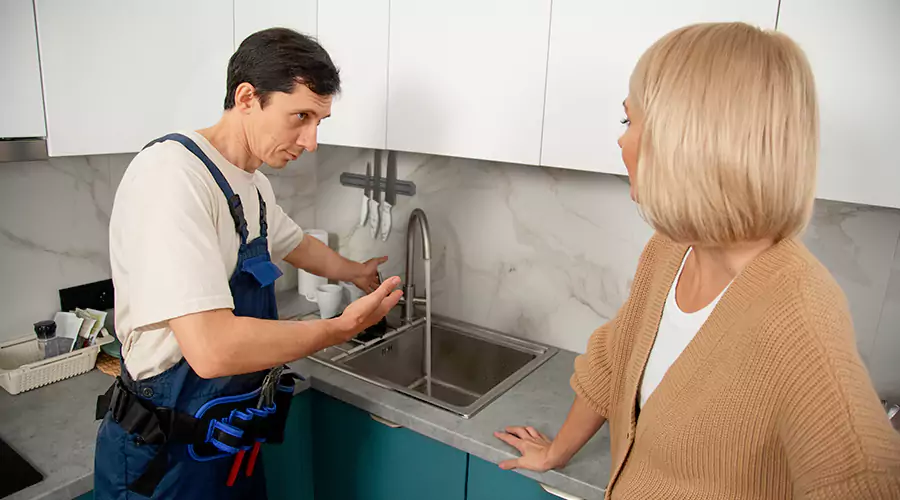
A leaky faucet is often ignored because the sound of a slow drip is considered minor. However, serious water waste is caused by even a small leak. Thousands of gallons of water can be lost each year if the issue is not fixed. Higher utility bills are usually noticed, and unnecessary strain is placed on plumbing systems. In many homes, a leaky bathroom faucet, leaky outdoor faucet, leaky bathtub faucet, or leaky shower faucet is seen as a small inconvenience, but long-term damage is often created when repairs are delayed.
In this guide, the common causes of faucet leaks will be explained, and the impact on water usage will be clearly described. A better understanding can help costly water waste be prevented.
How a Faucet Works and Why Leaks Develop?
Water flow in a faucet is controlled by internal components such as washers, cartridges, O-rings, and valve seats. When the handle is turned off, these parts are pressed tightly together so that water movement is stopped. Over time, wear and tear are experienced by these parts. As materials are weakened, small gaps are created, and water is allowed to pass through even when the faucet is closed.
Continuous pressure is applied to faucets every day. Temperature changes, mineral buildup, and friction are experienced repeatedly. As a result, components are slowly damaged. When seals are no longer tight, dripping is noticed.
In many homes, faucet leaks are developed gradually. At first, an occasional drip may be heard. Later, a steady stream may be observed. If attention is not given early, the issue becomes more serious and more expensive to repair.
Common Causes of a Leaky Faucet
Several mechanical and environmental factors are usually responsible for faucet leaks. In most cases, the issue is linked to worn internal parts or improper installation.
The most common causes include:
Worn-out washers or seals: Constant friction is experienced by washers each time the faucet is used. Over time, the material is worn down and small gaps are formed.
- Damaged O-Rings: These small rubber rings are used to create a watertight seal. When cracks are developed, leaks are often seen near the handle.
- Corroded Valve Seats: Mineral deposits from hard water are collected around the valve seat. As corrosion is formed, proper sealing is prevented.
- Loose or Broken Cartridges: In modern faucets, cartridges are used to control water flow. If internal damage is caused, dripping is allowed.
- High Water Pressure: Excessive pressure can force water through small openings, even when the faucet is fully closed.
When these issues are ignored, the leak is usually worsened. In some situations, surrounding fixtures are also damaged.
Why a Leaky Bathroom Faucet Should Not Be Ignored?
A leaky bathroom faucet is commonly found in sinks that are used multiple times a day. Because daily handwashing and grooming activities are carried out frequently, additional strain is placed on faucet components. Over time, dripping is often observed.
Although the leak may appear small, a surprising amount of water can be wasted. According to water conservation estimates, one drip per second can result in over 3,000 gallons of water being wasted in a year. That amount of water could be used for hundreds of showers or loads of laundry.
In addition to water waste, stains are often formed on sinks and countertops. Mold growth may also be encouraged in damp areas. If the cabinet below the sink is exposed to constant moisture, wood damage can be caused. Structural repairs may eventually be required.
Problems Linked to a Leaky Outdoor Faucet
A leaky outdoor faucet is frequently exposed to harsh weather conditions. Freezing temperatures, direct sunlight, and dirt buildup are commonly experienced. Because of these factors, seals are often cracked and metal parts are corroded.
During winter, water that remains inside the faucet may freeze. When expansion occurs, small fractures can be created inside the pipe. This is when calling for emergency plumbing repair can prevent further damage. When warmer temperatures return, steady dripping is usually noticed. In some cases, hidden pipe damage is revealed only after significant leakage has occurred.
Water waste from outdoor faucets is often overlooked because it may not be easily heard. However, soil erosion around the foundation can be caused by continuous dripping. Over time, foundation cracks or basement moisture problems may develop. Landscaping damage is also commonly reported.
How a Leaky Bathtub Faucet Increases Utility Bills?
A leaky bathtub faucet is often identified by a steady drip into the tub. Because bathtub faucets are connected to larger water lines, more water can be lost compared to sink faucets. Even a slow leak can result in measurable increases in monthly water bills.
Hot water is frequently wasted when bathtub leaks are involved. As heated water is lost, additional energy is consumed to reheat the tank. As a result, both water and energy bills are increased. The financial impact becomes noticeable over several months.
In many cases, bathtub faucet leaks are caused by worn cartridges or damaged diverter valves. When these components are weakened, full closure is not achieved. Professional repair is often required because internal parts may be difficult to access.
Risks Associated With a Leaky Shower Faucet
A leaky shower faucet can be particularly frustrating because dripping is often heard throughout the night. More importantly, hidden water waste is usually created behind walls. If internal leaks are present, moisture may be trapped inside wall cavities.
Several problems may develop due to prolonged shower leaks:
- Mold and mildew growth may be encouraged in hidden areas.
- Wallboards and tiles may be weakened by constant moisture exposure.
- Structural wood framing may be damaged over time.
Water damage repair is typically more expensive than simple faucet replacement. Because shower plumbing is usually concealed, leaks are sometimes discovered only after visible damage appears.
How Faucet Leaks Affect Overall Water Usage?
The impact of faucet leaks on water usage is often underestimated. In the United States alone, billions of gallons of water are wasted annually due to household leaks. A single leaking faucet may seem harmless, but when multiplied across millions of homes, the total loss becomes significant.
Water treatment and distribution require energy and infrastructure. When water is wasted, the environmental impact is increased. Additional strain is placed on municipal systems. Higher water demand may lead to increased service costs over time.
In homes where multiple leaks are present, annual water usage can rise by 10 percent or more. This increase is reflected directly in monthly utility bills. By fixing small leaks early, measurable savings can be achieved.
Preventing Faucet Leaks and Reducing Water Waste
Regular inspection and maintenance are strongly recommended. Early signs such as occasional dripping, squeaky handles, or reduced water pressure should be taken seriously. When small parts are replaced promptly, larger repairs are often avoided.
Hard water buildup can be reduced by installing water softeners. Outdoor faucets should be winterized before freezing temperatures arrive. Gentle handling of faucet handles can also extend the lifespan of internal components.
If professional help is required, licensed plumbers are typically recommended. Proper installation and high-quality replacement parts are essential for long-term performance.
Final Thoughts
A leaky faucet should never be considered a minor issue. Water waste, higher bills, and structural damage can all be caused by delayed repairs. Whether a leaky bathroom faucet, leaky outdoor faucet, leaky bathtub faucet, or leaky shower faucet is involved, early action should be taken.
By understanding the common causes and the effects on water usage, informed decisions can be made. Small drips may seem harmless, but significant consequences are often created over time. When leaks are addressed quickly, water can be conserved, expenses can be reduced, and plumbing systems can be protected for years to come.
Frequently Asked Questions
How much water can be wasted by a leaking faucet in a U.S. home?
It is estimated that a faucet dripping once per second can waste over 3,000 gallons of water per year. Higher water bills are often noticed, especially in areas where water rates are already high.
Why is my faucet still dripping after the handle is turned off tightly?
The issue is usually caused by worn-out washers, damaged cartridges, or mineral buildup from hard water. A proper seal is not created, so water continues to pass through.
Can high water pressure in American homes cause faucet leaks?
Yes, excessive water pressure can force water through small gaps inside the faucet. Over time, internal components are weakened, and steady dripping may be noticed.
Is a leaky faucet covered by homeowners insurance?
In most cases, minor plumbing leaks like a dripping faucet are considered maintenance issues. Damage caused by long-term neglect is typically not covered.
When should a leaky faucet be repaired by a professional plumber?
Professional repair is recommended when dripping continues after basic part replacement, when corrosion is visible, or when hidden leaks behind walls are suspected.